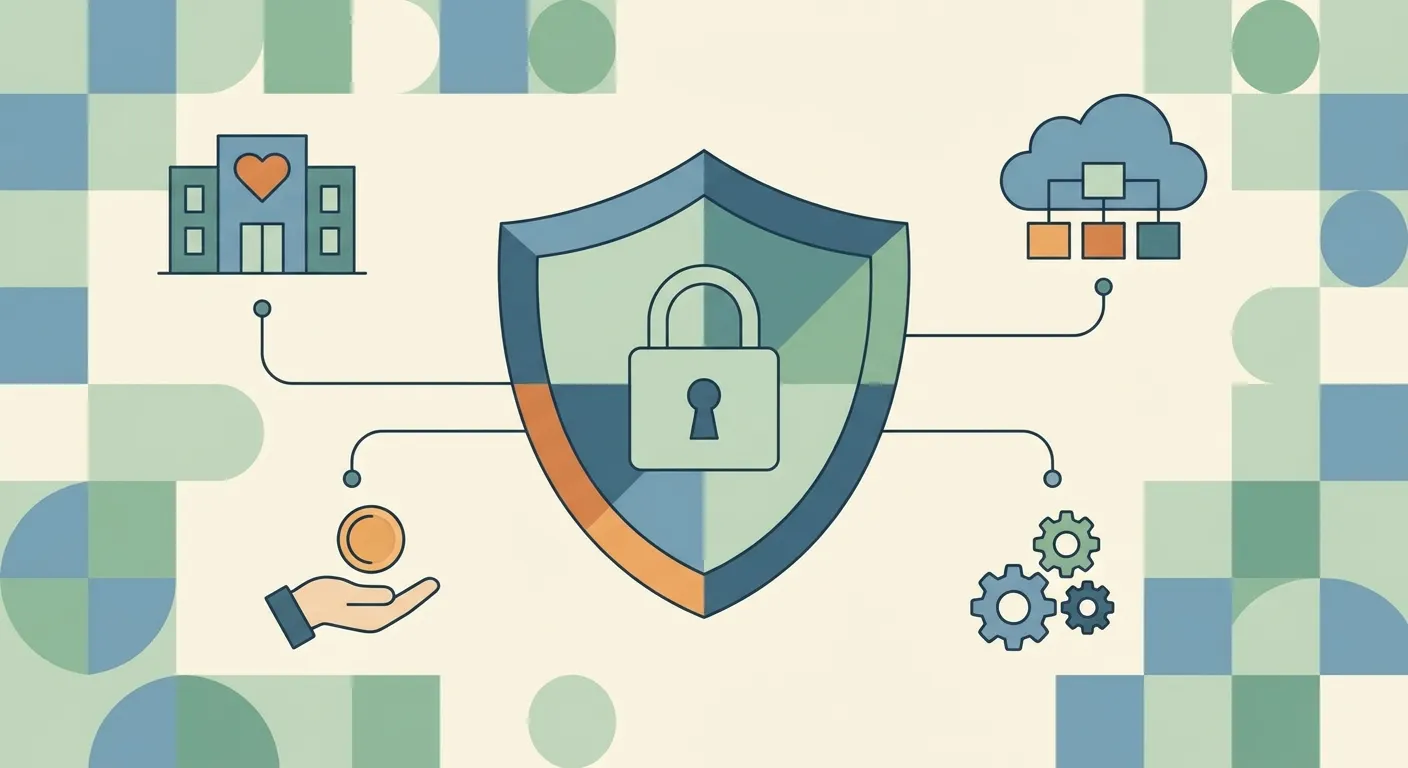
Charities run vendor risk checks with a treasurer, a part-time finance officer, and a shared spreadsheet — not a security team. Vendor risk management software for charities in 2026 has to work inside that reality, not around it.
Why this matters
Charities hold donor payment details, beneficiary case notes, and safeguarding records — the exact data a breach exposes fastest. Most of that data sits with third-party vendors: payment processors, CRM platforms, email tools, cloud storage.
Funders and grant bodies now ask charities to show vendor due diligence before they release money. A trustee board that can't answer "who processes our donor data and how do you check them" in 2026 is a governance gap, not just a technical one.
Cyber Essentials for charities and community groups is usually the starting framework — it's the baseline most funders and the Charity Commission expect before anything more technical.
Who this is for
This guide is for UK registered charities and non-profits, typically under 50 staff, run by a mix of paid staff and volunteer trustees. You're managing donor data, beneficiary records, and grant reporting, and you need to prove vendor due diligence to a funder or your board — without hiring a security lead to do it.
What to look for in vendor risk management software for charities
Charity-specific framework support
Generic vendor risk tools assume you already hold SOC 2 or ISO 27001 in-house. Most charities need Cyber Essentials mapped to their vendor list first, not a framework built for a 500-person enterprise.
Automated evidence collection
Manual spreadsheet review misses renewal dates. A platform that pulls vendor certificates, contracts, and questionnaire responses automatically replaces a quarterly scramble with a standing record.
Public-data vendor due diligence
Before you sign anything, check the vendor against public UK company data. Vendor due diligence checks using Companies House data catches shell companies, dormant filings, and directors linked to insolvent firms — free, before contract stage.
Renewal cycle automation
Cyber Essentials renews on a 12-month cycle. Vendor risk software that ties vendor reviews to that same 12-month clock means one annual admin push instead of two separate ones running on different calendars.
Cost that scales with headcount, not enterprise seat counts
A charity with 15 staff and 8 vendors shouldn't pay enterprise procurement-platform pricing. Look for cost tied to vendor count or headcount, not a flat enterprise licence.
Fast turnaround on funder questionnaires
Funders and local authorities send security questionnaires before releasing grant money. A platform that pre-fills answers from stored evidence turns a two-day task into same-day.
How the main options compare for charities
The free start — spreadsheet trackers. A shared spreadsheet with vendor names, contract dates, and a renewal column costs nothing and works fine under 10 vendors. Past that, renewal dates slip and nobody owns the review. Skip once your vendor list crosses 10.
The overkill option — enterprise GRC platforms. Built for procurement teams running dozens of frameworks across multiple business units, these tools often need weeks of onboarding and a dedicated compliance hire to run. A charity with one compliance owner and a handful of vendors doesn't need that scale. Skip unless you already run several certifications in parallel.
The automated pick — OneClickComply. Handles Cyber Essentials and ISO 27001 evidence collection alongside vendor tracking in one dashboard, tied to the same annual renewal cycle. Built for organisations without a dedicated security team, which describes most charities in 2026. Buy if you're managing certification and vendor risk together with limited staff time.
The specialist — standalone vendor risk scoring tools. These score vendors on risk but don't touch your Cyber Essentials or ISO 27001 evidence — you'd run two separate systems. Consider only if you already hold your certifications through another platform and just need vendor scoring layered on top.
What to avoid
- Frameworks you don't need yet. SOC 2 is built for software vendors selling to enterprise buyers — a charity running a donor CRM and a website doesn't need it in 2026 unless a specific funder asks.
- Template libraries with no reminders. A folder of policy templates looks thorough but does nothing if nobody's prompted to review it before renewal.
- Tools that require a dedicated security hire to operate. If the platform's onboarding guide assumes a full-time compliance officer, it's not built for a charity team.
Verdict comparison
| Option | Setup effort | Best for | Verdict |
|---|---|---|---|
| Spreadsheet tracker | Low | Under 10 vendors | Skip past 10 vendors |
| Enterprise GRC platform | High | Multi-framework, dedicated staff | Skip for lean teams |
| OneClickComply | Low-medium | Cyber Essentials + vendor tracking together | Buy |
| Standalone VRM scoring tool | Medium | Orgs with certification handled elsewhere | Consider |
Automate charity vendor risk checks
See how OneClickComply ties vendor risk tracking to your Cyber Essentials renewal.
Frequently asked questions
One last thing
The charities that handle vendor risk best in 2026 don't run a separate vendor review process at all — they fold it into their existing Cyber Essentials renewal, so one annual push covers both. Split across two calendars, the same work takes twice the staff hours for no extra protection.