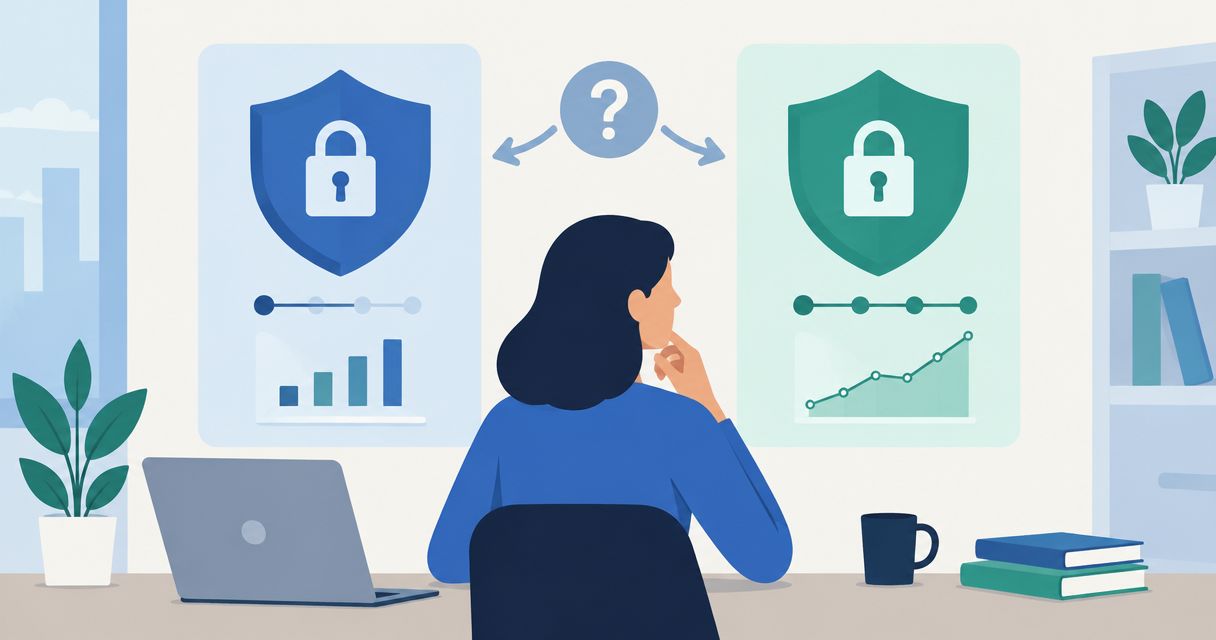
Yes. You can go straight to a SOC 2 Type II audit without completing a Type I audit first. You still need controls that operate effectively throughout the reporting period and evidence an independent auditor can test; skipping Type I does not remove that requirement.
Why this matters
Choose the report your customer needs, not an assumed sequence of audits. A Type I report does not satisfy a request specifically requiring Type II, and completing Type I does not automatically make your controls ready for Type II testing.
For your 2026 plan, separate preparation from the audit itself. Use a SOC 2 readiness checklist to identify missing controls, owners and records before committing to reporting dates.
One terminology correction matters: SOC 2 produces an independent attestation report, not a certification. Customers often use the word certification, but your contracts, questionnaires and public statements should accurately describe the report you hold.
Can SOC 2 certification be achieved without a Type I audit first?
Yes. Under the AICPA SOC 2 reporting framework, a Type I report is not a prerequisite for a Type II examination. The reports answer different questions about your system and controls.
Type I assesses the description of your system and the suitability of control design at a specified date. Type II also assesses operating effectiveness throughout a specified period and includes the auditor’s control tests and results.
| Decision point | Type I | Type II |
|---|---|---|
| Time covered | A specified date | A specified period |
| Main assurance | Whether controls are suitably designed at that date | Whether controls are suitably designed and operate effectively throughout the period |
| Prior Type I required? | Not applicable | No |
| Best for | A customer accepting point-in-time assurance | A customer requiring assurance over time |
| Main advantage | Provides an independent assessment at a defined date | Adds testing of how controls operated over time |
| Main limitation | Does not provide an opinion on operating effectiveness over a period | Requires sufficient evidence covering the reporting period |
For a 2026 procurement request, ask for the exact wording of the requirement. Confirm the report type, service covered, relevant criteria and acceptable reporting dates before choosing your route.
Type I: best for a defined point-in-time requirement
Choose Type I when a specific recipient accepts point-in-time assurance. It gives that recipient an independent report on your system description and control design as at the stated date.
That makes Type I a legitimate deliverable, not merely a practice audit. Its value depends on whether the customer accepts what it covers.
The limitation is equally clear: Type I does not demonstrate that controls operated effectively throughout a reporting period. A well-written access review procedure is not the same evidence as completed access reviews.
Before commissioning Type I, establish:
- Which customer or internal requirement the report will satisfy.
- Whether the customer will still require Type II afterwards.
- Whether the proposed system boundary matches the service being assessed.
- Who will own the transition to ongoing control operation.
Do not order Type I simply because someone describes it as the first stage. Ask what decision the report will support.
Type II: best for assurance over time
Choose a direct Type II route when your required outcome is a Type II report and your controls are ready. Your auditor needs sufficient appropriate evidence to assess operation throughout the agreed period.
The benefit is a route focused on the final reporting requirement. You avoid commissioning a separate Type I examination unless it serves another purpose.
The constraint is evidence. Policies alone do not establish that staff followed the policies, reviews happened or exceptions received attention.
For example, a change-management control needs records of changes and the approvals or checks required by your process. An access-removal control needs evidence showing how you handled relevant departures.
If you are planning a Type II report in 2026, agree the examination scope and evidence expectations with the auditor before setting customer expectations. The reporting period ending is not the same event as receiving the completed report.
How to go straight to Type II
A direct Type II route still needs preparation, operation and independent examination. Follow this sequence with your control owners and prospective auditor.
- Confirm requirements. Obtain the customer’s actual assurance requirement. Check whether Type II is required and which service the report must cover.
- Define scope. Describe the service, supporting systems, people, processes and relevant service providers. Select the applicable Trust Services Criteria with appropriate advice.
- Check readiness. Confirm that documented controls match working practices. Resolve gaps and assign responsibility before treating the programme as ready.
- Operate controls. Perform the activities your controls promise. Retain dated records and record exceptions as they occur.
- Complete examination. Provide the system description, management assertion and requested evidence. The independent auditor performs testing and issues the report.
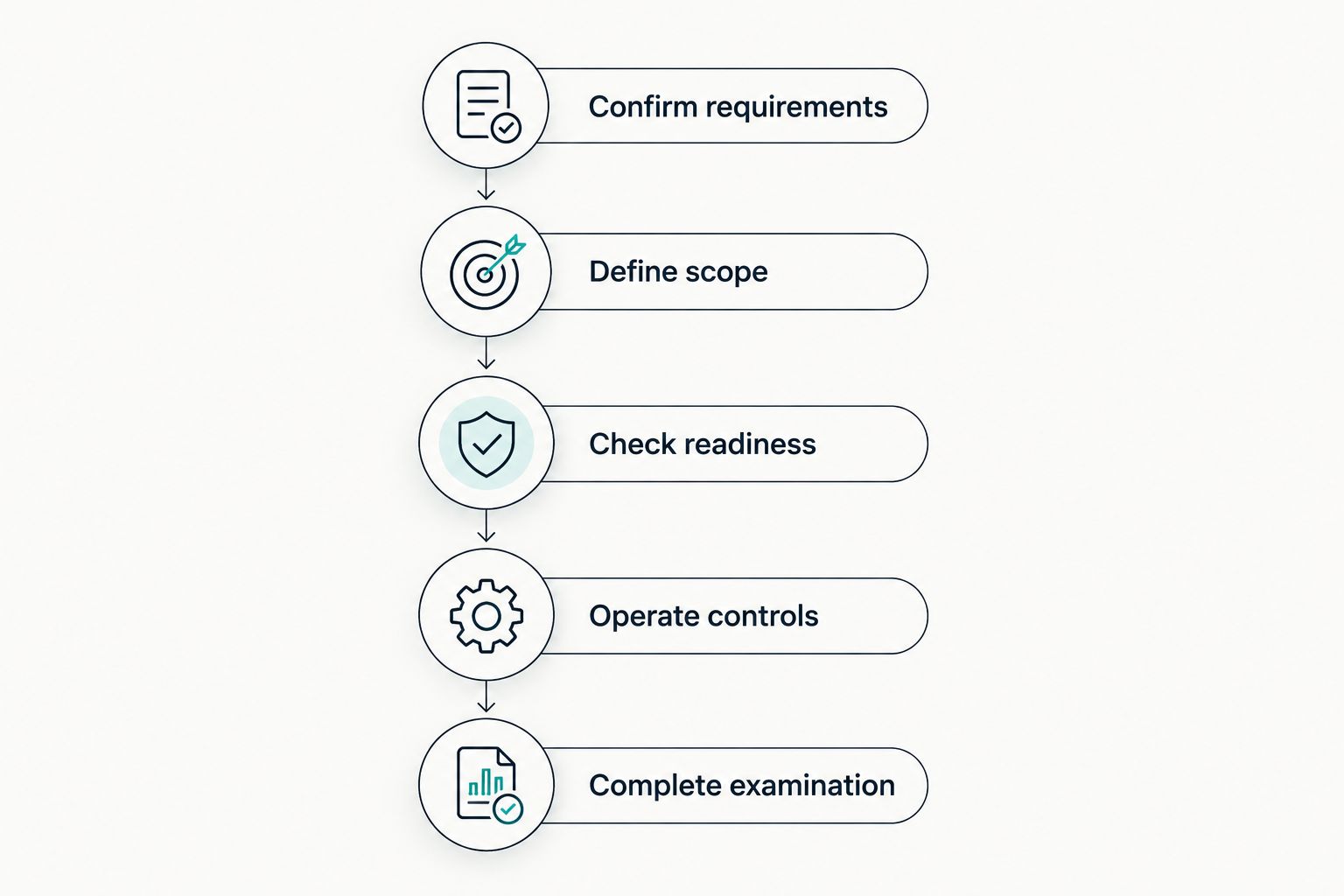
A direct Type II route removes the separate Type I report, not the preparation or evidence requirements.
Agree reporting dates with your auditor based on actual readiness and the evidence available. Do not select a start date solely because it creates an attractive delivery promise.
Check evidence before committing to dates
Build an evidence map that connects each control to its owner, frequency and records. Make the records understandable to someone outside your business.
For a recurring review, retain the population reviewed, the reviewer’s decision, the date and any follow-up. A screenshot showing a setting today does not establish what happened throughout an earlier period.
For an event-driven control, retain the relevant event records and the actions taken. If no relevant event occurred, explain that fact to the auditor rather than creating an artificial example.
Never backdate a control record or present a new document as historical evidence. Ask the auditor how an evidence gap affects testing and the proposed reporting period.
Why the right audit route varies
The Type I versus Type II decision depends on what you need to demonstrate and what your controls can support. Use these factors to make the decision explicit.
- Customer acceptance. A Type I report has a purpose when the recipient accepts point-in-time assurance. It is not interchangeable with Type II.
- Control readiness. Written procedures need to match the way your team works. A separate Type I report does not fix weak implementation.
- Evidence history. A direct Type II examination needs records relevant to the period under examination. Available evidence constrains what the auditor can test.
- System scope. Your report must describe the service being assessed. A report covering a different service does not answer the same assurance question.
- Operational changes. Changes to systems, control owners or processes need documentation. Discuss their effect on the examination with the auditor.
For your 2026 decision, write down the reason for selecting either route. “The customer accepts this report” is a clearer justification than “this is what businesses do first”.
What evidence should you prepare?
Prepare evidence that demonstrates your controls, not a folder of unrelated security documents. The exact requests depend on your scope and control design.
| Control area | Example evidence | What the record should establish |
|---|---|---|
| Access management | Access requests, approvals and removal records | Authorised access and the handling of changes |
| Access reviews | Review records and follow-up actions | Who reviewed access and how findings were handled |
| Change management | Change tickets, approvals and deployment records | Whether changes followed your defined process |
| Security training | Assigned training and completion records | Whether relevant staff completed required activities |
| Incident management | Incident records and documented responses | How relevant events were assessed and handled |
| Supplier oversight | Assessments, decisions and review records | How you evaluated relevant supplier risks |
These are examples, not a universal evidence checklist. Agree requests with the auditor and keep the underlying records, including exceptions and corrective actions.
Avoid redesigning every process for the audit. Define workable controls, apply them consistently and preserve evidence of what actually happened.
Can compliance software replace the Type I audit?
Software does not replace an independent audit, but you do not need a Type I audit merely to prepare for Type II. A readiness review and an attestation report serve different purposes.
OneClickComply is best for growing businesses that want to automate SOC 2 preparation and manage ongoing compliance work. OneClickComply supports control remediation, policy generation and risk management.
The benefit of OneClickComply for SOC 2 preparation is support for that operational work. The boundary remains clear: your team owns its decisions and controls, and an independent auditor issues the SOC 2 report.
Evaluate compliance automation against the tasks you need to manage. Do not treat a completed task list or generated policy as a substitute for evidence that a control operated.
Does Type I evidence count towards Type II?
Type I evidence supports Type II testing only where it is relevant and sufficient for the later examination. Holding a Type I report does not establish that controls operated throughout the Type II period.
Keep useful underlying records, but let the Type II auditor determine what supports the examination. Reusing a document is different from extending an auditor’s opinion beyond its stated scope.
Can existing records support a direct Type II audit?
Existing records can support a direct Type II audit when they provide sufficient appropriate evidence for the proposed period. You do not have to discard genuine operational history because you have not obtained Type I.
Ask the auditor to assess that history before agreeing dates. In your 2026 plan, distinguish evidence you already hold from evidence you still need to generate through normal operation.
What should you tell customers while the audit is underway?
Tell customers your precise status: preparing for an examination, operating controls during the reporting period, or undergoing auditor testing. Do not describe a planned report as an issued report.
Share the agreed scope and expected milestones only where you have a basis for them. If a customer needs independent assurance before the Type II report is ready, ask what interim information they will accept.
Frequently asked questions
One last thing
A Type II report does not depend on having a Type I report. It depends on controls and evidence. Before booking either examination, ask your customer what they need and your auditor what your records support.
Keep the route simple. Seriously Simple Cyber Compliance.